How to Find the Best Mortgage Lenders in Miami, Florida
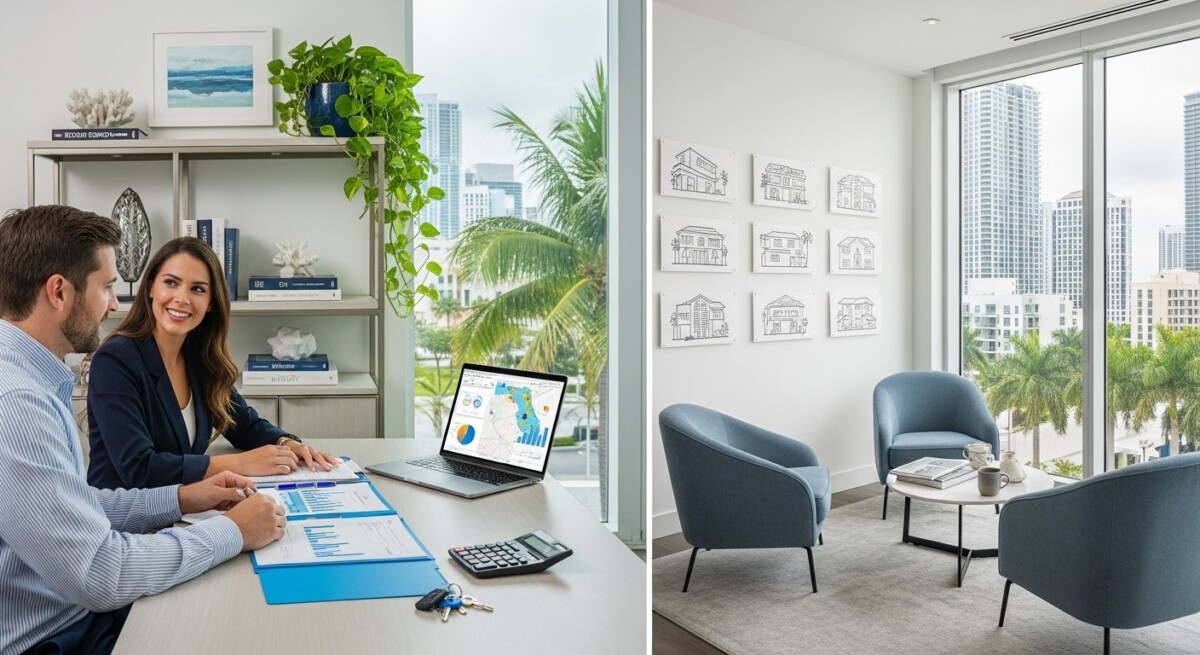

Miami’s real estate market moves fast, and finding the right mortgage lender can feel just as urgent. With a mix of luxury condos, waterfront homes, and growing suburban neighborhoods, the city offers plenty of opportunities. But the lender you choose will shape your interest rate, your monthly payment, and even your chances of closing on time. The good news is that mortgage lenders in Miami, Florida are plentiful, and with the right approach, you can secure a loan that fits your financial situation.
This guide walks through what makes Miami’s lending market unique, how to compare your options, and which documents you need to prepare. Whether you are a first-time buyer or looking to refinance, the steps here will help you move forward with confidence.
What Makes Miami’s Mortgage Market Unique
Miami is not like most U.S. cities. The housing market is heavily influenced by international buyers, cash transactions, and a high volume of investment properties. As a result, mortgage lenders in Miami, Florida have adapted to serve a diverse clientele, including many who are self-employed or have foreign income. This means you may find lenders willing to work with bank statements instead of traditional pay stubs, or who offer portfolio loans that do not conform to standard Fannie Mae or Freddie Mac guidelines.
Another factor is the rapid appreciation in many neighborhoods. Prices in areas like Brickell, Coral Gables, and Wynwood have climbed steadily, which can make qualifying for a loan more challenging. Lenders will look closely at the appraised value, and if you are buying a condo, the building’s financial health matters too. Some condos have restrictions on financing, especially if they have high investor occupancy or pending litigation. A knowledgeable local lender will know which buildings are easy to finance and which ones require extra paperwork.
Flood insurance is another Miami-specific consideration. Properties in flood zones will need a separate policy, and that adds to your monthly housing costs. Lenders must factor this into your debt-to-income ratio, so it is wise to get an insurance quote early in the process. This is one of those hidden costs that can surprise first-time buyers, but a good lender will help you plan for it.
Types of Mortgage Lenders in Miami
When you search for mortgage lenders Miami Florida, you will find several different types of institutions. Each has its own strengths, and the right choice depends on your credit profile, down payment, and how much hand-holding you want.
Large national banks like Chase, Wells Fargo, and Bank of America have a strong presence in Miami. They offer competitive rates and a full range of loan products, but they can be less flexible when it comes to unusual income situations. Their underwriting is standardized, which is great if you have a W-2 job and a clean credit history, but frustrating if you are self-employed or have foreign assets.
Local community banks and credit unions often provide more personalized service. They may be willing to consider alternative credit data or offer lower fees. Since they know the local market, they can also give advice on which loan products work best for specific neighborhoods or condo buildings. The trade-off is that they may have fewer loan options, especially if you need a jumbo loan or a specialized product like an ITIN loan.
Mortgage brokers act as intermediaries. They do not lend their own money, but they shop your application across multiple wholesale lenders. This can save you time, and a good broker will have relationships with lenders that offer flexible guidelines. In Miami, brokers are especially useful for borrowers who are self-employed, have recently moved from another country, or need a non-qualified mortgage (non-QM) loan. Just be sure to ask about their fee structure, as brokers may charge an origination fee or earn a yield spread premium from the lender.
Online lenders have also become popular in Miami. They often offer lower rates because they have less overhead, and the application process is entirely digital. However, you may not get the same level of local expertise. If you are buying a condo in a building with financing issues, an online lender might not know the red flags until late in the process. That is why many Miami buyers prefer a hybrid approach: use online rate comparisons for research, but close with a local lender or broker who can navigate the nuances.
How to Compare Mortgage Lenders Effectively
Comparing mortgage lenders is not just about the lowest interest rate. The annual percentage rate (APR) gives a more complete picture, because it includes fees and points. But even the APR does not tell the whole story. You need to look at the loan estimate, which is a standard form that every lender must provide within three business days of your application. Compare three to five loan estimates side by side, and pay attention to these key items:
- Interest rate and APR, including whether the rate is fixed or adjustable
- Origination fees, which are charged by the lender for processing your loan
- Third-party fees for appraisal, title search, and settlement services
- Estimated closing costs, which in Miami typically range from 2% to 5% of the loan amount
- Lender credits, if any, which can reduce your closing costs in exchange for a higher rate
Once you have the loan estimates, you can negotiate. Lenders are often willing to match a competitor’s rate or waive certain fees to win your business. This is especially true in a competitive market like Miami, where refinance volume can be high one quarter and low the next. Do not be afraid to ask for a better deal, but also consider the lender’s reputation for closing on time. A slightly higher rate may be worth it if the lender has a track record of on-time closings, because delays can cost you money in the form of rate lock extensions or temporary housing.
Another key factor is the lender’s responsiveness. In Miami’s fast-paced market, a seller may receive multiple offers, and the one with a pre-approval letter from a reputable lender often wins. If your lender takes days to return calls, you could lose the house. Ask for referrals from your real estate agent, and read online reviews that mention communication and closing timelines.
Steps to Get a Mortgage in Miami: From Application to Closing
Once you have chosen a lender, the mortgage process follows a predictable path. Here is a step-by-step breakdown of what to expect.
1. Get Pre-Approved Before You Shop
Pre-approval is more than a nice-to-have. It is essential in Miami’s competitive market. A pre-approval letter shows sellers that you are a serious buyer, and it gives you a clear budget. To get pre-approved, you will need to provide your lender with documentation of your income, assets, and credit history. The lender will run a credit check and issue a letter stating the maximum loan amount you qualify for.
Keep in mind that pre-approval is not a loan commitment. It is based on a quick review of your finances, and the final approval will require a full underwriting process. Still, it is a powerful tool when making an offer.
2. Choose the Right Loan Product
Miami buyers have many loan options. The most common are conventional loans, FHA loans, and VA loans. Conventional loans typically require a higher credit score and a larger down payment, but they offer more flexibility and lower mortgage insurance costs. FHA loans are popular with first-time buyers because they allow a 3.5% down payment and a credit score as low as 580. VA loans are available to veterans and active-duty military, and they offer zero down payment with no mortgage insurance.
For high-value properties, you may need a jumbo loan, which exceeds the conforming loan limit. In Miami-Dade County, that limit is $1,209,750 for 2025, so anything above that requires a jumbo loan. These loans often have stricter underwriting requirements, including higher credit scores and larger cash reserves.
If you are self-employed, you might need a bank statement loan. These loans use your business bank account deposits to verify income, rather than tax returns. They are more common in Miami because of the large number of entrepreneurs and real estate investors. The trade-off is a higher interest rate and a larger down payment, usually 20% or more.
3. Submit Full Documentation
After you have an accepted offer, your lender will order an appraisal and submit your file to underwriting. Be prepared to provide additional documents, such as updated bank statements, proof of gift funds, and explanations for any large deposits. In Miami, where many buyers receive help from family or use funds from overseas, it is critical to document the source of all money used for the purchase. Lenders are required to trace funds to prevent money laundering, so have a paper trail ready.
4. Close on Time
The closing process in Miami typically takes 30 to 45 days. During this time, you will need to purchase homeowners insurance and, if applicable, flood insurance. You will also do a final walkthrough of the property. On closing day, you will sign a stack of documents, including the mortgage note and deed. The funds are then wired to the title company, and the keys are yours.
One thing to watch for is rate lock expiration. If your closing is delayed, you may need to pay for a rate lock extension. This is another reason to choose a lender with a strong reputation for on-time closings.
Common Mistakes to Avoid When Choosing a Miami Lender
Many buyers make avoidable mistakes when selecting a mortgage lender. The most common is focusing only on the interest rate. A lender may advertise a low rate, but then add high origination fees or require you to buy discount points. Always compare the APR and the total closing costs, not just the rate.
Another mistake is not checking the lender’s licensing. In Florida, mortgage lenders must be licensed by the state. You can verify a license through the Nationwide Multistate Licensing System (NMLS). This is a simple step that can protect you from scams, which are unfortunately common in the mortgage industry.
Finally, do not ignore the importance of local knowledge. A lender who knows Miami’s condo market can save you from a failed closing. For example, if a building has a high number of investor units, it may not be eligible for FHA financing. A local lender will know this upfront, while an out-of-state online lender might not discover it until the appraisal comes back.
Why Using a Quote Comparison Platform Helps
Given the number of options, comparing mortgage lenders in Miami can be overwhelming. That is where a service like Express Mortgage Quotes can help. Instead of contacting a dozen lenders individually, you can submit one form and receive quotes from verified lenders who are active in your market. This saves time and gives you a baseline for comparison.
Before you commit to any lender, it is wise to get quotes from at least three sources. This is the same advice we give in our guide on how to compare Houston mortgage lenders for the best rate, and it applies just as well to Miami. The process is simple: gather loan estimates, compare the numbers, and then negotiate. You can also read our article on online mortgage lenders and how to compare and save to understand the pros and cons of digital-first lending.
For a deeper look at the top online options, our review of the best mortgage lenders online breaks down what to look for in terms of rates, fees, and customer service. Armed with this information, you can approach any lender with confidence.
Final Thoughts on Finding a Mortgage Lender in Miami
Choosing the right mortgage lender in Miami, Florida is about more than getting the lowest rate. It is about finding a partner who understands the local market, communicates clearly, and can close on time. Start by getting pre-approved, compare loan offers from multiple sources, and do not be afraid to ask tough questions. With the right preparation, you can navigate Miami’s competitive real estate market and secure a loan that supports your long-term financial goals.
Whether you are buying your first home or refinancing your current one, the effort you put into finding the right lender will pay off for years to come. Use the tools and resources available, including quote comparison platforms, to make an informed decision. Your future self will thank you.


About Daniel Smith
Recent Posts

Affordable Mortgage Options for First-Time Buyers in 2026
Explore the best low down payment and zero down mortgage programs, plus tips to qualify and compare offers for a budget-friendly home loan.

How to Find the Best Mortgage Lenders in Miami, Florida
Compare mortgage lenders in Miami, Florida with confidence. Learn the key steps to secure the best rate and avoid costly mistakes.

Can Self Employed Get Mortgage? Yes, Here’s How
Learn the exact steps self employed workers need to qualify for a mortgage, including bank statement loans and tax return strategies.

Reverse Mortgage Benefits for Retirees in 2026
Discover the top reverse mortgage benefits, including no monthly payments and a growing line of credit, and how they can enhance your retirement.
Find The Best Rates