
Hidden Costs of Buying a Home First Time Buyers Miss
First-time buyers often budget for the down payment but miss earnest money, inspection fees, and ongoing HOA costs. Build a realistic cash reserve to avoid surprises.
By Astoria Contributor
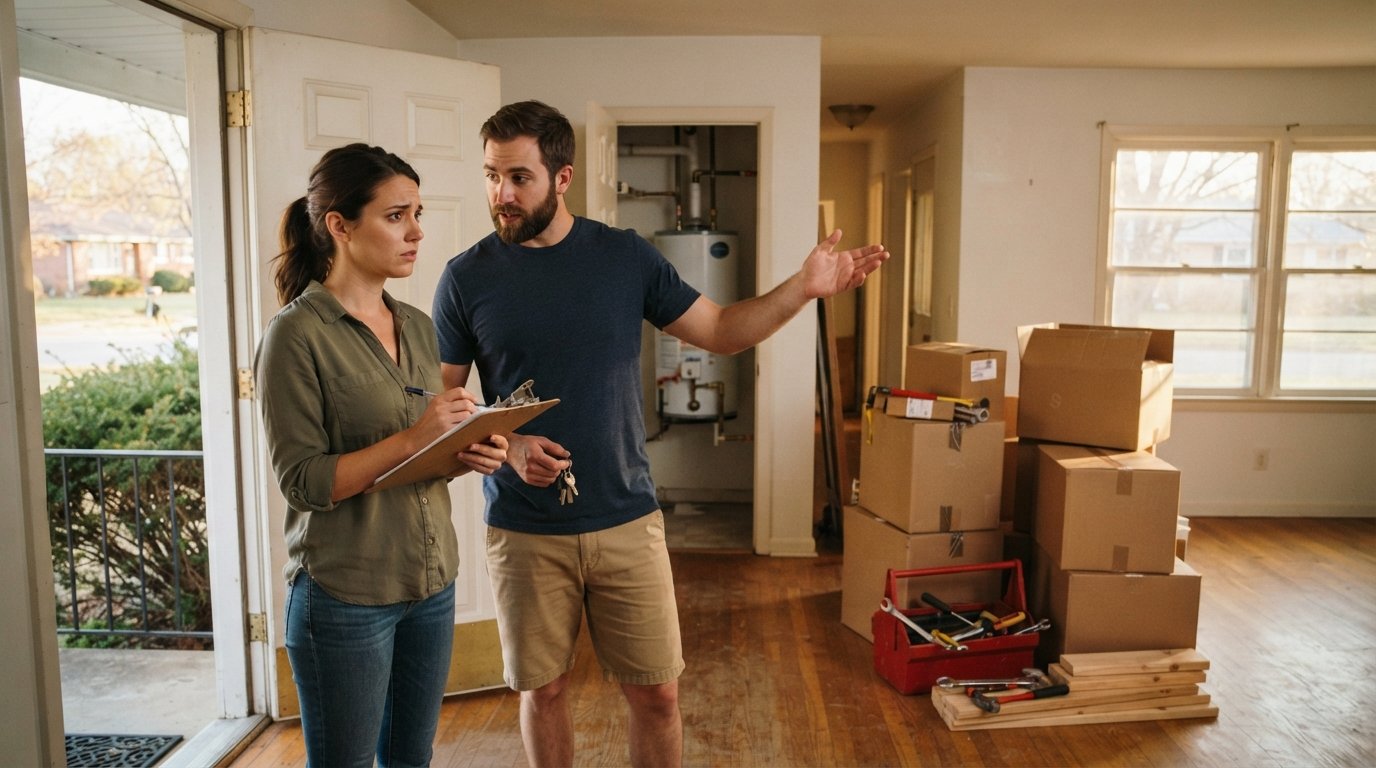
You have saved for the down payment, gotten pre-approved, and found a house you love. The closing disclosure lists a number that feels manageable. Then the movers bill arrives, the water heater fails, and the HOA sends a special assessment notice, all within the first sixty days. This is the moment many first-time buyers realize that the purchase price and the monthly principal and interest payment are only part of the story. The hidden costs of buying a home first time buyers miss are rarely secret, but they are almost always underestimated. They do not show up in the glossy online mortgage calculator, and they are not part of the down payment you have been saving for years to accumulate. They are the expenses that sit between the accepted offer and the settled-in feeling of a new home, plus the ongoing charges that quietly reshape your monthly budget.
Understanding these costs before you make an offer is not about scaring yourself out of homeownership. It is about building a realistic cash reserve so that your first year in the house feels stable rather than stressful. When you know what is coming, you can negotiate with confidence, compare loan estimates more intelligently, and avoid the trap of becoming house poor. The following sections break down the most commonly missed expenses, from the earnest money deposit to the emergency fund you will wish you had started sooner.
Upfront Costs Beyond the Down Payment
The down payment is the headline number, but several other costs surface between the day your offer is accepted and the day you get the keys. Earnest money is one of the first. This is a good-faith deposit, typically one to three percent of the purchase price, that you submit shortly after your offer is accepted. It is not an extra fee; it gets credited toward your closing costs or down payment if the deal closes. However, it is cash you must have available early, and if you back out for a reason not protected by your contract contingencies, you can lose it. Many first-time buyers budget every dollar for the down payment and forget that earnest money needs to be liquid and ready weeks before closing.
Home inspection and appraisal fees are two more expenses that arrive before you own anything. A standard home inspection often runs between $300 and $500, while specialty inspections for radon, sewer scope, or pest issues can add several hundred dollars more. The appraisal, required by most lenders, typically costs $400 to $700 depending on the property and market. These are out-of-pocket costs paid during the due diligence period, and they are not refundable if you decide to walk away. Title fees are another cluster: title search, title insurance for the lender, and often an owner's policy as well. Title insurance premiums vary by state and purchase price, but they commonly total several hundred to over a thousand dollars. When you add lender fees, recording fees, and prepaid items like homeowner's insurance and property taxes, the cash to close can easily exceed the down payment by three to five percent of the loan amount.
To keep these numbers in view, request a Loan Estimate from at least three lenders and compare the total cash to close, not just the interest rate. The Loan Estimate standardizes fees so you can see which lender is padding origination charges and which is offering a more transparent package. If you are still exploring loan options and want a clear overview of first-time buyer programs, the guide on first time home buyer loans near me explains how different loan types affect your upfront costs. For a broader educational reference on how purchase loans and closing costs fit together, MortgageDirectory publishes plain-language guides and a payment calculator that can help you sanity-check your estimates before you talk with a lender.
Moving In: The Costs That Start Immediately
Once the keys are in hand, the spending does not pause. Moving costs are highly variable, but even a local move can run several hundred to a few thousand dollars depending on the size of your home and how much you pack yourself. If you are moving across state lines, professional movers can cost significantly more, and you may also face temporary storage fees if your new home is not quite ready. Utility deposits and connection fees are another common surprise. Electricity, gas, water, and internet providers often require deposits for new accounts, especially if you do not have an established payment history at that address. These deposits can range from $50 to several hundred dollars per utility, and they are usually paid before service starts.
Immediate repairs and small upgrades are almost inevitable. Even a house that passed inspection can have items the seller did not fix, such as a leaky faucet, a worn-out appliance, or a garage door that sticks. First-time buyers often underestimate the cost of furnishing a new home, from window treatments to a lawnmower and basic tools. A realistic move-in budget should include:
- Professional moving or truck rental costs
- Utility deposits and connection fees
- Immediate repairs and cleaning supplies
- Basic furnishings and window coverings
- Lawn and garden equipment if you are moving from an apartment
These items add up quickly, and they are rarely financed into the mortgage. Having a dedicated move-in fund separate from your closing costs can prevent you from putting everyday expenses on a credit card at a high interest rate. It also gives you breathing room to address small problems before they become larger ones.
Ongoing Costs That Reshape Your Monthly Budget
Homeownership comes with recurring costs that renters often do not face directly. Homeowner's association dues are a prime example. If you buy in a planned community or condominium, HOA fees can range from modest monthly amounts to several hundred dollars, and they can increase over time. Special assessments are another risk: if the association needs to fund a major repair or improvement, it can levy an additional charge on homeowners, sometimes thousands of dollars. Reviewing HOA documents and reserve studies before you buy is essential, and your real estate agent can help you request them during the due diligence period.
Lawn care, snow removal, and general maintenance are ongoing expenses that many first-time buyers overlook. If you are moving from an apartment, you may not own a lawnmower, trimmer, or snow shovel, and hiring a service adds a monthly or per-visit cost. Beyond routine maintenance, every home needs a repair reserve. A common rule of thumb is to set aside one to three percent of the home's value each year for maintenance and repairs. For a $300,000 home, that means $3,000 to $9,000 annually, or roughly $250 to $750 per month. That money covers the eventual replacement of a roof, water heater, HVAC system, or appliances. Without it, a single major repair can strain your finances.
Property taxes and homeowner's insurance are usually included in your monthly mortgage payment through an escrow account, but they can change. If your local tax authority reassesses your property after purchase, your payment can increase. Insurance premiums can also rise due to market conditions or claims. First-time buyers should confirm how escrow works and budget for potential increases. Finally, larger emergency fund needs are a hallmark of homeownership. While renters might need one to three months of expenses saved, homeowners are often advised to keep three to six months of living expenses plus a dedicated home repair fund. This larger cushion is not a hidden cost in the sense of a bill, but it is a hidden requirement that many new buyers miss until the first unexpected repair appears.
How to Build a Realistic Cash-to-Close and Post-Closing Budget
The best defense against hidden costs is a written budget that separates upfront costs from ongoing costs and post-closing reserves. Start by requesting Loan Estimates from multiple lenders and comparing the total cash to close. Look beyond the interest rate to origination fees, discount points, third-party services, and prepaid items. Ask each lender to explain any fee you do not recognize, and do not be afraid to negotiate. Some fees, such as application or underwriting charges, may be negotiable, while others, like appraisal and title insurance, are more standardized.
Next, create a move-in and repair reserve. Estimate moving costs, utility deposits, and immediate repairs, then add a buffer of at least ten to twenty percent. For ongoing costs, calculate your full monthly housing payment including principal, interest, property taxes, homeowner's insurance, and HOA dues. Then add a maintenance reserve based on the age and condition of the home. A newer home may need less, while an older home with original systems may need more. Finally, decide how much you need in an emergency fund after closing. Many financial planners suggest keeping at least three to six months of essential expenses in an accessible account, plus a separate home repair fund.
Using an online mortgage calculator can help you test different scenarios, but remember that calculators often focus on principal and interest. They may not include taxes, insurance, HOA fees, or maintenance. Use the calculator as a starting point, then build a more comprehensive budget that reflects your specific property and lifestyle. If you are working with a real estate agent, ask for a referral to a reputable home inspector and consider a sewer scope or radon test if those are common in your area. These small upfront investments can reveal expensive problems before you commit.
Negotiating and Planning Ahead
Some hidden costs are negotiable. Sellers may agree to cover a portion of closing costs, especially if the market is balanced or if you are a strong buyer with a clean offer. You can also ask for a home warranty or a repair credit during the inspection contingency period. Your lender may offer a no-closing-cost option, but be aware that those costs are often rolled into a higher interest rate or loan balance. Compare the long-term trade-offs carefully. When comparing lenders, pay attention to the loan estimate's cash to close and the annual percentage rate, which includes both interest and fees. A lower rate with high fees may cost more over time than a slightly higher rate with minimal fees, depending on how long you plan to stay in the home.
It also helps to plan for the first-year surprises that are common in homeownership. A water heater might fail, a tree might need trimming, or a appliance might need replacing. Having a small slush fund for these events can turn a crisis into a minor inconvenience. Many first-time buyers find that after the first year, their budget stabilizes as they learn the rhythms of their home and local service costs. The key is to go into the purchase with eyes open, not just to the down payment and monthly payment, but to the full spectrum of costs that come with owning a home.
Ultimately, the hidden costs of buying a home first time buyers miss are not designed to trap you. They are simply part of the process that often gets less attention than the purchase price. By asking questions, comparing loan estimates, and building a cash reserve that covers both closing and post-closing needs, you can move into your new home with confidence. A little planning on the front end can save you from financial stress on the back end, and it can help you enjoy the home you worked so hard to buy.