Who Qualifies for a Reverse Mortgage? Eligibility Guide
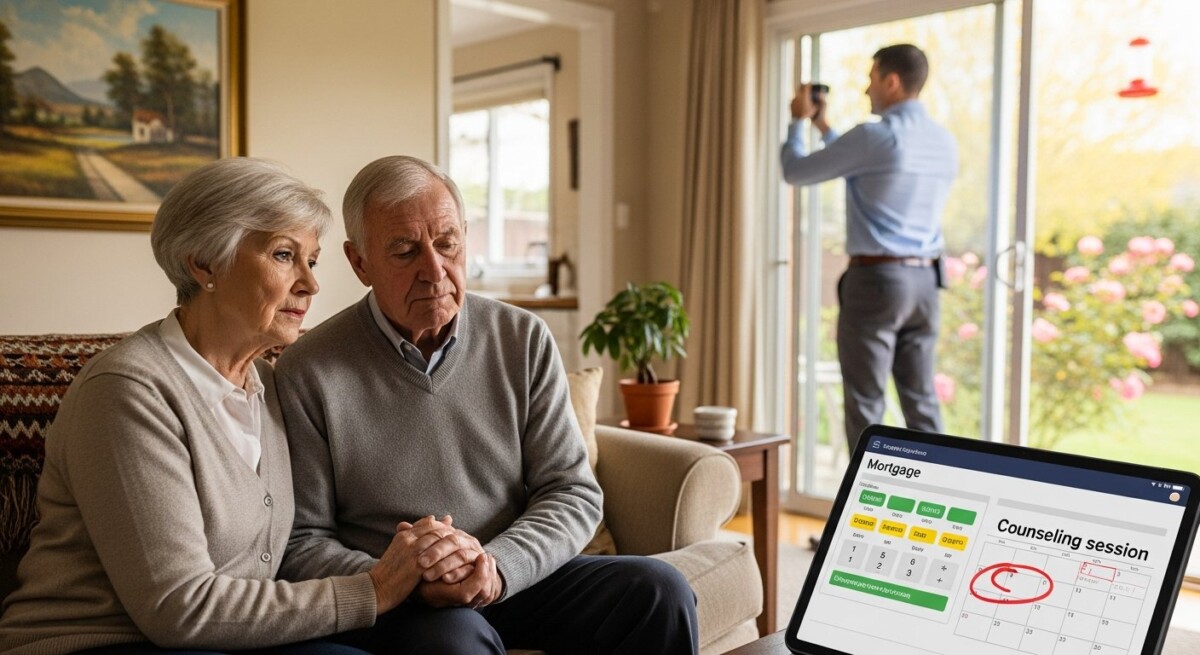

Reverse mortgages are often misunderstood. Many homeowners assume they do not qualify because of their income or credit score, while others think the loan is only available in extreme financial hardship. In reality, eligibility for a reverse mortgage is more straightforward than most people realize. The key requirement revolves around age, homeownership, and participation in a federally mandated counseling session. Understanding exactly who qualifies for a reverse mortgage can open the door to a financial tool that allows seniors to tap into home equity without monthly mortgage payments. This article provides a clear, step-by-step breakdown of every requirement so you can determine whether this loan is right for you or a loved one.
Age and Residency Requirements
The most well-known qualification for a reverse mortgage is age. To be eligible for a Home Equity Conversion Mortgage (HECM), the most common type of reverse mortgage insured by the Federal Housing Administration (FHA), all borrowers must be at least 62 years old. If there are two borrowers, both must meet this age requirement. However, there is an exception: if one spouse is younger than 62, they may still qualify under certain circumstances, but the loan terms will change. The younger spouse may not be considered a borrower but can remain in the home after the older spouse passes away, as long as certain conditions are met. This is a critical nuance that many homeowners overlook.
Additionally, the property must be your primary residence. You must live in the home for the majority of the year. Vacation homes or investment properties do not qualify. The lender will verify occupancy through tax records, utility bills, and other documentation. If you plan to move within a year of closing, a reverse mortgage is likely not the right choice. The requirement to occupy the home as your principal residence is non-negotiable, and failure to do so could result in the loan becoming due.
Home Ownership and Property Requirements
You must own your home outright or have a very low mortgage balance that can be paid off with the reverse mortgage proceeds. If you still owe money on a traditional mortgage, the reverse mortgage will pay off that existing loan first, and the remaining funds are yours to use. You also need to have sufficient equity in the home. The amount of equity required varies depending on your age, current interest rates, and the home’s value, but generally you should own at least 50% of the home’s value.
The property type also matters. Eligible homes include single-family homes, HUD-approved condominiums, and manufactured homes that meet FHA standards. Two-to-four-unit properties are also eligible, provided you occupy one unit as your primary residence. Cooperative housing (co-ops) and mobile homes not on a permanent foundation are generally not eligible. Before applying, you can use a reverse mortgage calculator to get a preliminary estimate of how much equity you might access based on your property type and location.
The property must also meet minimum condition standards. An FHA-approved appraiser will inspect the home to ensure it is structurally sound and free from major hazards. If repairs are needed, the lender may require them to be completed before closing, or they may set aside a portion of the loan proceeds for repairs. Common issues include leaky roofs, faulty electrical systems, or pest infestations. This requirement protects both you and the lender by ensuring the home retains its value over time.
Financial Assessment and Credit Check
Many people believe that reverse mortgages have no financial requirements because there are no monthly payments. That is partially true. While you do not need to make monthly mortgage payments, you are still responsible for property taxes, homeowners insurance, and home maintenance. The lender will conduct a financial assessment to verify that you have the ability to meet these ongoing obligations. This assessment includes a review of your credit history, income, assets, and debts.
The financial assessment is designed to protect you from foreclosure. If the lender determines that you may struggle to pay taxes and insurance, they may require a life expectancy set-aside (LESA). A LESA is a portion of the loan proceeds set aside to pay those expenses on your behalf. This reduces the amount of cash you can access upfront, but it ensures you will not lose your home due to unpaid taxes. The credit check is not as strict as for a traditional mortgage. A few missed payments or a moderate credit score will not automatically disqualify you. However, unresolved bankruptcies, tax liens, or judgments against the property may delay or prevent approval.
In our guide on reverse mortgage rates explained, we detail how interest rates and loan costs interact with the financial assessment. Generally, the better your financial profile, the more favorable your loan terms will be. The goal of the assessment is to confirm that you can afford to keep the home as your primary residence for the long term.
Mandatory Counseling Session
Every reverse mortgage borrower must complete a counseling session with a HUD-approved counselor. This is not optional. The counseling session is designed to educate you about the costs, benefits, and alternatives to a reverse mortgage. During the session, the counselor will review your financial situation, explain how the loan works, and discuss other options such as downsizing, a home equity line of credit, or assistance programs. The session typically lasts about 60 to 90 minutes and can be done over the phone or in person.
The counseling fee is usually around $125 to $150, but some lenders cover this cost. After the session, you receive a certificate of completion, which you must submit to your lender. This certificate is valid for 180 days. If you do not close the loan within that period, you may need to take another session. The counseling requirement exists to prevent seniors from taking out a reverse mortgage without fully understanding the implications. It is a protective measure that benefits both the borrower and the lender. For more details on the benefits of this loan type, see our article on reverse mortgage for seniors key benefits explained.
Additional Considerations for Non-Borrowing Spouses
One of the most important changes in reverse mortgage rules in recent years involves non-borrowing spouses. If you are married and your spouse is under 62, they can remain in the home after you die or move into long-term care, as long as they meet specific requirements. They must be listed as a non-borrowing spouse at closing, and they need to continue paying taxes and insurance and maintaining the property. This protection prevents the surviving spouse from being forced to sell the home immediately. However, the loan will become due if the non-borrowing spouse moves out permanently or fails to meet the obligations. It is essential to discuss this scenario with your counselor and lender before signing any documents.
Income and Asset Documentation
Although there is no minimum income requirement to qualify for a reverse mortgage, you must demonstrate that you have sufficient resources to cover ongoing expenses. The lender will ask for pay stubs, Social Security award letters, bank statements, pension statements, and tax returns. If you have substantial retirement accounts, those can also be considered as assets. The key is to show that your incoming cash flow (from all sources) minus your recurring debts leaves enough to pay property taxes, homeowners insurance, and any HOA fees.
The following list summarizes the key documents you will likely need to provide during the application process:
- Government-issued photo ID (driver’s license or passport) to verify age and identity.
- Social Security card or benefit letter to confirm your age and income source.
- Proof of homeowners insurance showing current coverage.
- Recent property tax statements to verify taxes are current.
- Bank statements (last two months) and investment account statements.
- Mortgage statements if you still have a loan balance (to be paid off).
Having these documents ready can speed up the application process. Express Mortgage Quotes can help you connect with lenders who will guide you through the full documentation checklist. Remember that each lender may have slightly different requirements, so it pays to compare options. The financial assessment is not designed to exclude you but to ensure the loan is sustainable for your specific situation.
How Much Can You Borrow?
The amount you can borrow through a reverse mortgage is not unlimited. It depends on your age (or the youngest borrower’s age), the appraised value of the home, and current interest rates. The older you are, the more you can borrow because the expected loan term is shorter. The FHA sets a maximum claim amount (which is the maximum home value used for calculation) that adjusts annually. In most areas, the limit is around $1,089,300 for 2025 and 2026. If your home is worth more than that, the surplus equity cannot be borrowed against.
You can get a preliminary estimate using the reverse mortgage calculator available on this site. Just enter your home value, age, and current mortgage balance to see a rough range. The actual amount will be determined by an appraiser and a lender’s underwriting process. Keep in mind that loan costs (origination fee, closing costs, mortgage insurance premiums) are deducted from the proceeds, so the net amount you receive will be lower than the principal limit. The remaining funds can be taken as a lump sum, a line of credit, monthly payments, or a combination of these.
Common Myths About Reverse Mortgage Eligibility
Several misconceptions prevent eligible seniors from even exploring a reverse mortgage. One myth is that the bank takes ownership of your home. This is false. You retain the title and remain the owner. The reverse mortgage is simply a loan secured by your home. Another myth is that you must have no outstanding debts. While you need to pay off any existing mortgage, having other debts like credit cards or car loans does not disqualify you. A third myth is that you need perfect credit. As discussed, the credit check is flexible. The most persistent myth is that you will owe more than the home is worth. The FHA insurance protects you: if the loan balance exceeds the home’s value at sale, you or your heirs will never owe more than the home’s appraised value.
Steps to Get Started
If you believe you meet the basic qualifications (age 62+, own your home, primary residence), the next step is to take the mandatory counseling session. Then, you can apply for a reverse mortgage through a FHA-approved lender. Express Mortgage Quotes simplifies this process by providing educational resources and connecting you with multiple lenders for comparison. There is no obligation to proceed. You can use our tools and articles to educate yourself before making a decision.
Start by gathering the documents listed above and checking your property’s condition. If you are married, review the non-borrowing spouse rules with your spouse. Then, contact a qualified reverse mortgage counselor. After counseling, compare offers from at least two lenders to ensure you get competitive terms. The entire process from application to closing typically takes 30 to 60 days. Remember that a reverse mortgage is a long-term commitment. It is best suited for seniors who plan to stay in their home for at least five years.
Reverse mortgage eligibility is not as restrictive as many believe. By meeting the age, residency, property, and counseling requirements, you can access a flexible financial tool that helps you age in place with dignity. For personalized estimates and lender comparisons, visit Express Mortgage Quotes and explore our reverse mortgage resources.


About Daniel Smith
Recent Posts

Mortgage Escrow Explained: What Homeowners Must Know
Mortgage escrow explained clearly: learn how your lender manages taxes and insurance, what triggers payment changes, and how to avoid surprises.
Mortgage Rate Comparison: Find Your Best Deal
Compare mortgage rates effectively to save thousands on your home loan. Learn key factors, avoid pitfalls, and use expert tools for the best deal.
Mortgage Process Explained: What Buyers Face in 2026
Get a clear, step-by-step breakdown of the mortgage process explained, from pre-approval to closing, so you can avoid costly surprises and close with confidence.

Mortgage Lenders Near Me: How to Choose the Best
Searching for mortgage lenders near me? Learn how to compare local and online lenders, avoid costly mistakes, and find the best loan for your situation.
Find The Best Rates