Rate Lock Options Explained to Secure Your Mortgage

In the often nerve-wracking journey of buying a home, few moments are as critical as the instant you lock in your mortgage interest rate. With daily market fluctuations, the difference of a single day can translate to thousands of dollars over the life of your loan. This is where understanding mortgage rate lock options transitions from a minor detail to a major financial strategy. A rate lock is a lender’s guarantee to hold a specific interest rate and set of points for you, protecting you from increases while your loan application is processed. However, not all locks are created equal. The length, cost, and flexibility of your rate lock agreement can profoundly impact your closing costs, your peace of mind, and your ability to navigate the final steps of your real estate transaction. By demystifying the various rate lock structures and strategies, you can move from a passive borrower to an empowered homebuyer, making informed decisions that safeguard your budget and your future.
Secure your financial future—visit Lock Your Rate to speak with a mortgage advisor and lock in your rate today.
What Is a Mortgage Rate Lock and How Does It Work?
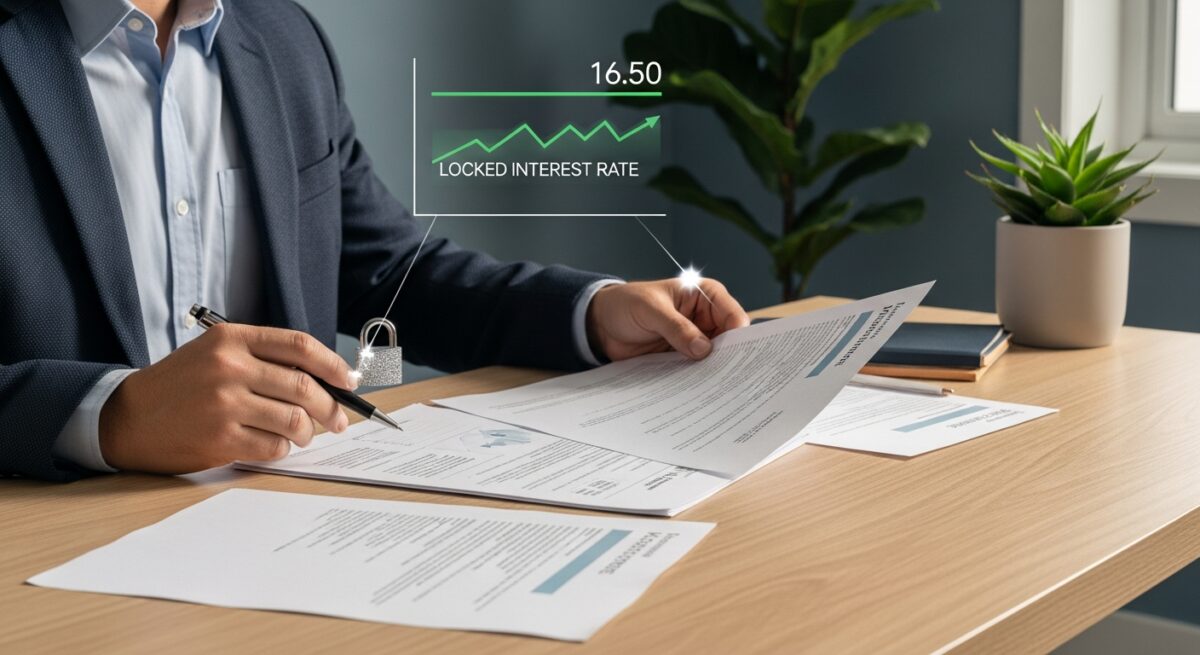
A mortgage rate lock, formally known as a rate lock commitment, is a contractual agreement between you and your lender. Once you lock, the lender promises to honor the specified interest rate and discount points for a predetermined period, regardless of what happens to market rates in the interim. This lock period is designed to cover the typical processing, underwriting, and closing timeline, which usually ranges from 30 to 60 days. The mechanism is straightforward: when you apply for a mortgage, you are typically offered a “floating” rate based on current market conditions. By choosing to lock, you move from a floating status to a locked status, freezing your rate.
The importance of this tool cannot be overstated in a volatile economic environment. Interest rates are influenced by a complex web of factors including Federal Reserve policy, inflation reports, employment data, and global economic events. These factors can cause rates to move significantly within a single week. For a homebuyer, a rate lock provides budgetary certainty. You can confidently calculate your exact monthly principal and interest payment, knowing it will not change before closing. This certainty is essential for finalizing your home purchase contract and ensuring you qualify for the loan based on the locked terms.
Navigating the Spectrum of Rate Lock Options
Lenders offer a menu of rate lock options, each with different timeframes, costs, and features. The most common structure is a standard rate lock for a set period, typically 30, 45, or 60 days. This is often included at no upfront cost, as it aligns with a standard closing timeline. However, the real strategic choices come into play with extended or specialized locks, which address specific borrower needs and market uncertainties.
One critical option is the “float-down” or “one-time float” feature. This is a hybrid approach that combines the security of a lock with a potential opportunity to capture a lower rate. With a float-down lock, your rate is locked at the current level, but you retain the right to lower it once if market rates decrease before closing. There is usually a specified threshold for the decrease (e.g., rates must fall by 0.25% or more) and may involve an upfront fee. This option is particularly valuable in a stable or slightly declining rate environment where you want protection from spikes but don’t want to miss out on a significant drop.
For new construction purchases or complex transactions, extended rate locks of 90, 120, or even 180 days are available. These are crucial when your closing date is far in the future, but you want to secure today’s rate. Given the longer exposure for the lender, these extended locks almost always come with a fee, which can be paid upfront or sometimes rolled into the loan’s interest rate. Another specialized option is the “lock and shop” or “pre-approval lock,” which allows you to lock a rate before you’ve even found a property, though these are less common and come with strict property-finding deadlines.
The True Cost of Securing Your Rate
While a standard 30-day lock is frequently free, any deviation from that baseline usually carries a cost. Understanding these costs is key to evaluating whether a particular rate lock option offers good value. The pricing is primarily driven by two factors: the length of the lock period and the presence of special features like a float-down.
Lenders hedge their risk in the secondary mortgage market. When they lock your rate, they are essentially making a promise to sell your loan at a specific price in the future. The longer the lock, the greater their risk that market conditions will move against them. They pass this risk and hedging cost onto you. For example, a 60-day lock might cost 0.125% to 0.25% of the loan amount in points compared to a 30-day lock. A 90-day lock could be 0.375% to 0.50% more expensive.
Here is a breakdown of common rate lock cost structures:
- Extended Lock Fee: A direct charge, often in points, for locks beyond the standard period (e.g., 45+ days).
- Float-Down Fee: An upfront premium for the option to lower your rate once.
- Rate/Pricing Trade-off: The cost may be baked into your interest rate. A longer lock might mean a slightly higher rate compared to a shorter lock quoted on the same day.
- Non-Refundable Lock Fee: Some lenders charge a flat fee to lock, which may be forfeited if the loan does not close.
When weighing these costs, consider the potential financial impact of a rate increase. On a $400,000 loan, a 0.5% rate increase adds roughly $120 to your monthly payment and over $43,000 in interest over 30 years. A one-time fee of $1,000 for a longer lock can seem expensive, but it may be a wise investment if it protects you from a much larger long-term loss.
Strategic Timing: When to Lock Your Mortgage Rate
Deciding when to pull the trigger on a rate lock is part science, part strategy. There is no universally perfect moment, but informed guidelines can dramatically improve your odds. The first and most practical factor is your closing timeline. You should lock with enough time to cover your processing period plus a buffer for unexpected delays, such as appraisal issues or title complications. A good rule of thumb is to lock once you have a ratified purchase contract and all necessary documentation is submitted to your lender.
Secure your financial future—visit Lock Your Rate to speak with a mortgage advisor and lock in your rate today.
Monitoring market trends is also essential. If economic indicators suggest a strong likelihood of rising rates (e.g., high inflation reports, strong job growth), locking sooner rather than later is generally prudent. Conversely, if the economy shows signs of weakness and the Fed is hinting at cuts, you might choose to float for a short period, understanding you are taking a risk. It is crucial to have a candid conversation with your loan officer about their market outlook and the lender’s policies. Remember, trying to “time the market” perfectly is extremely difficult, even for professionals. For most borrowers, the primary goal is securing a good rate that fits their budget, not chasing the absolute lowest possible rate.
Avoiding Common Pitfalls and Lock Failures
A rate lock is a powerful guarantee, but it is not unconditional. Several pitfalls can cause a lock to expire or be invalidated, leaving you exposed to current market rates. The most common issue is a delay in closing beyond the lock period. If your home inspection uncovers major repairs, if the appraisal is delayed, or if there are title complications, your transaction timeline can stretch. If your lock expires before you close, you will typically face one of three outcomes: paying a fee to extend the lock, accepting the current market rate, or in some cases, the lender may offer a short courtesy extension.
To mitigate this risk, be proactive. Choose a lock period that provides a comfortable cushion. Ensure all parties—your real estate agent, loan officer, and title company—are aligned on the timeline. Most importantly, respond promptly to all requests from your lender for documentation or clarification. Your diligence in moving the process forward is the best defense against a lock expiration.
Another potential pitfall involves changes to your loan application. A rate lock is tied to the specific loan parameters you applied for. If you decide to change the loan amount, loan type (e.g., from conventional to FHA), or your down payment significantly, the lender may have to re-lock at a new rate. Furthermore, a major change to your financial profile, like taking on new debt or changing jobs during the lock period, could affect your approval and the locked terms.
Frequently Asked Questions on Rate Locks
Can my locked rate go up before closing?
No. The core purpose of a rate lock is to protect you from rate increases. If you have a valid, undisputed lock in place, your rate and points are guaranteed for the lock period.
What happens if rates go down after I lock?
Unless you have a specific float-down option in your lock agreement, you are locked at your rate even if market rates improve. You cannot benefit from the decrease. This is why the decision of when to lock is so important.
Is a rate lock agreement legally binding?
Yes, it is a binding commitment from the lender. It will be documented in a written disclosure, often the Loan Estimate. You should receive this in writing; a verbal lock is not secure.
Can I switch lenders after locking a rate?
Technically yes, but you will lose your locked rate and any fee you paid for it. You would start the process over with the new lender at their current market rates.
How long does it typically take to close after locking?
For a purchase loan, the goal is usually to close within 30 days. Refinances can vary but often follow a similar timeline. Your lock period should be chosen to match your expected closing date with a buffer.
Are rate lock fees refundable?
This depends entirely on the lender’s policy. Some fees are non-refundable if you cancel the loan. Others may be applied to closing costs if you proceed. Always ask for the policy in writing before paying any lock fee.
Mastering your rate lock options is an essential component of modern home financing. It transforms an unpredictable variable into a controlled element of your biggest financial transaction. By understanding the types of locks available, their associated costs, and the strategic timing involved, you move from simply hoping for a good rate to actively engineering a favorable outcome. Partner with a transparent lender who clearly explains your choices, get every guarantee in writing, and align your lock period with a realistic closing timeline. In doing so, you secure more than just a number—you secure confidence and stability on the path to homeownership.
Secure your financial future—visit Lock Your Rate to speak with a mortgage advisor and lock in your rate today.


About Daniel Smith
Recent Posts

How to Qualify for a Home Loan: 7 Key Steps
Learn how to qualify for a home loan with 7 practical steps, from credit improvement to pre-approval, and boost your chances of approval.

VA Mortgage Refinance: How to Lower Your Payment
Learn how a VA mortgage refinance can lower your monthly payment, reduce interest, or provide cash for major expenses. Compare IRRRL and cash-out options.

Online Mortgage Lenders: Compare Rates and Save
Compare online mortgage lenders to secure the best rate and avoid costly mistakes. Learn the steps, benefits, and red flags in this practical guide.

Affordable Mortgage Options for First-Time Buyers in 2026
Explore the best low down payment and zero down mortgage programs, plus tips to qualify and compare offers for a budget-friendly home loan.
Find The Best Rates