Can I Use a VA Loan More Than Once? Yes, Here’s How
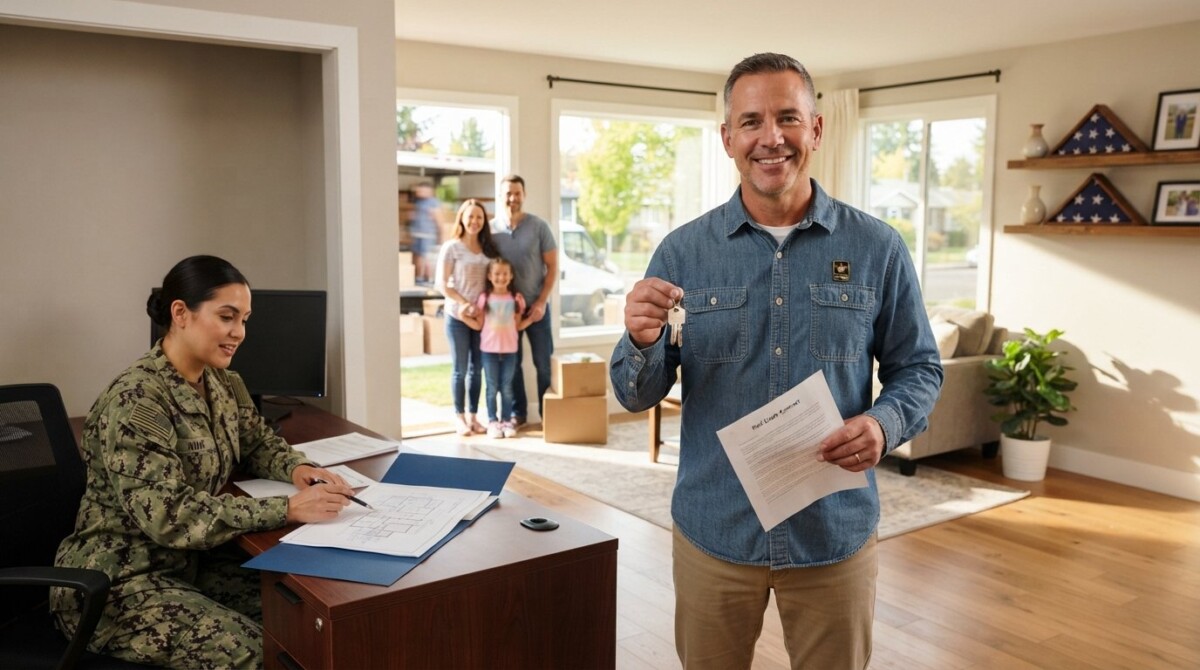

One of the most valuable benefits of military service is the VA home loan, a program that has helped millions of veterans, active-duty service members, and eligible surviving spouses achieve homeownership with no down payment and no private mortgage insurance. If you already have a VA loan, you might wonder whether your benefit is a one-time deal or a resource you can tap again. The short answer is yes, you can use a VA loan more than once, and in many cases, you can do so without selling your current home. Understanding the rules around VA loan reuse, including restoration of entitlement, will help you make the most of this powerful benefit, whether you are buying a new primary residence, refinancing, or relocating for orders.
This guide explains exactly how to use your VA loan benefit multiple times, what factors like remaining entitlement and loan limits mean for your next purchase, and how to navigate the process with confidence. We will also cover practical strategies for keeping your benefit flexible, including when it makes sense to refinance and how to get quotes from verified lenders when you are ready to move forward.
How VA Loan Entitlement Works
To understand whether you can use a VA loan more than once, you first need to grasp the concept of entitlement. Entitlement is the amount the VA guarantees to a lender if you default on your loan. This guarantee is what allows lenders to offer you favorable terms, such as zero down payment and competitive interest rates, without requiring private mortgage insurance. Every eligible veteran has a basic entitlement of $36,000, but the VA often guarantees up to 25% of the loan amount for loans above $144,000, subject to county loan limits.
When you use your VA loan for the first time, a portion of your entitlement is tied up in that loan. The exact amount depends on the loan size and the county where the property is located. For example, if you bought a home for $300,000 with no down payment, the VA would guarantee 25% of that amount, which is $75,000. That $75,000 is now committed to your current loan, reducing the entitlement you have available for a future VA loan.
The key to using a VA loan more than once is restoring that entitlement. You can restore your entitlement in three main ways:
- Sell the home and pay off the loan in full.
- Refinance the VA loan into a non-VA loan, such as a conventional mortgage, which frees up your entitlement.
- Apply for one-time restoration if you have paid off the loan but have not yet sold the property, though this requires a request through the VA.
Once your entitlement is restored, you can use your VA loan benefit again, often with the same favorable terms as your first loan. Keep in mind that if you still have an active VA loan and want to buy another home with a VA loan, you may have remaining entitlement that allows you to do so, but you will likely face a down payment requirement based on the difference between the new loan amount and your remaining entitlement.
Can You Have Two VA Loans at the Same Time?
Yes, it is possible to have two VA loans simultaneously, but there are specific conditions. The VA allows you to retain your entitlement for a second loan if you meet one of the following scenarios: you have paid off the first loan but still own the home, you sold the home but used a VA loan to purchase it and later restored your entitlement, or you are on active duty and had to move to a new duty station, which allowed you to rent out your previous home and use your remaining entitlement for a new purchase.
For most borrowers, the most common path to a second VA loan while still owning the first property is based on occupancy requirements. The VA requires that you use the home as your primary residence, but if you receive orders for a permanent change of station (PCS) and need to move, you can rent out your old property and use your remaining entitlement to buy a new home at your new duty station. This is a huge advantage for military families who relocate frequently.
If you have remaining entitlement, you can calculate whether it is enough to cover a new purchase without a down payment. As of 2026, the VA no longer caps the loan amount for most borrowers, but your entitlement still matters. If your remaining entitlement is less than 25% of the new home’s purchase price, you will need to make a down payment to cover the difference. For example, if you have $50,000 in remaining entitlement, you can guarantee a loan up to $200,000 without a down payment. If the new home costs $300,000, you would need a $25,000 down payment to bring the guaranteed amount to $75,000, which is 25% of the purchase price.
To see exactly where you stand, request your VA Certificate of Eligibility (COE) from the VA or ask your lender to pull it for you. The COE will show your basic entitlement, any used entitlement, and your remaining balance. This document is essential before you start shopping for a new home.
VA Loan Reuse After Selling Your Home
The most straightforward way to use a VA loan more than once is to sell your current home and pay off the existing VA loan. When the loan is paid in full, your entitlement is automatically restored, usually within a few business days after the sale closes. This restoration applies to the full amount of entitlement you used, not just the remaining balance, so you regain the ability to buy another home with zero down payment, assuming you meet income and credit requirements.
However, there is a nuance. If you sold your home but did not pay off the loan in full, which can happen in a short sale or foreclosure, your entitlement may not be fully restored. In a short sale, the VA may allow you to restore your entitlement if you can show that the sale was necessary and that you did not willfully default. Foreclosure can result in a loss of entitlement, but you may be able to restore it over time by repaying the VA for the loss it incurred on your guarantee.
If you sold your home and paid off the loan, but you want to buy a new property before selling your old one, you may be able to use a one-time restoration. This is a specific VA provision that allows you to restore your entitlement even if you still own the property, provided you have paid off the loan. You must apply for this restoration through the VA, and it is limited to one use per lifetime. This can be helpful if you are moving to a new area and want to buy before selling your previous home, though it requires careful planning and approval.
For most veterans, selling the home and paying off the loan is the simplest path to full entitlement restoration. Once restored, you can apply for a new VA loan with the same benefits, including no down payment, no private mortgage insurance, and competitive rates. As you plan your next move, it is wise to explore your options with a lender who understands VA loan reuse, and you can compare quotes from verified lenders through resources like Express Mortgage Quotes to find the best terms.
Refinancing to Free Up Your VA Entitlement
If you want to keep your current home as a rental property and still use a VA loan to buy another home, refinancing your existing VA loan into a conventional loan can free up your entitlement. This strategy is popular among veterans who have built equity and want to leverage their VA benefit for a new primary residence while generating rental income from their old home.
Before you refinance, consider the costs. A cash-out refinance or a rate-and-term refinance into a conventional loan will involve closing costs, and you may lose some of the benefits you had with your VA loan, such as lower rates or no private mortgage insurance. However, if you have significant equity, a conventional loan may offer competitive terms, and the ability to use your VA benefit again for a new purchase can outweigh the costs.
Another option is the VA Interest Rate Reduction Refinance Loan (IRRRL), commonly called a VA streamline refinance. This program is designed for veterans who already have a VA loan and want to lower their interest rate. It does not restore your entitlement, because you are still using the same entitlement for the same property. However, if you are refinancing to get a lower rate and free up cash flow, it can be a smart financial move, but it will not help you reuse your entitlement for a new purchase.
If your goal is to buy a new home while keeping your current property, refinancing out of the VA loan is the most direct way to restore your entitlement. After the refinance closes, your VA entitlement is released, and you can apply for a new VA loan. Be sure to run the numbers carefully. Compare the costs of refinancing against the benefits of using a VA loan for your next purchase, which could include significant savings on a down payment.
To make the best decision, talk to a lender who can review your specific situation. A good lender will help you calculate your remaining entitlement, estimate the costs of refinancing, and determine whether a conventional loan or a VA loan is the right choice for your next home. You can also use a mortgage calculator to estimate your payments and compare scenarios before you commit.
VA Loan Reuse in 2026: Key Rules and Changes
As of 2026, the VA loan program continues to be one of the most flexible mortgage options for military borrowers. One significant change in recent years is the removal of the VA loan limit for most borrowers. Previously, the VA capped the amount it would guarantee, which limited how much you could borrow without a down payment. Today, if you have full entitlement, you can borrow up to the conforming loan limit or higher in many areas, and the VA will guarantee 25% of the loan amount, subject to the lender’s requirements.
However, if you have a second-tier entitlement, which is the remaining entitlement after your first loan, the loan limit may still apply. This is because your remaining entitlement is based on the original loan amount and the county limits at the time you used your benefit. For example, if you used most of your entitlement on a first loan, your remaining entitlement might be small, and you may face a down payment requirement for a new home that exceeds what your remaining entitlement can cover.
To maximize your ability to use a VA loan more than once in 2026, it is essential to understand your current entitlement status. You can obtain your COE online through the VA’s eBenefits portal or ask your lender to request it on your behalf. The COE will show whether you have full entitlement, partial entitlement, or no entitlement due to a previous default. If you have a remaining balance on your first VA loan, you can also see the exact amount of entitlement used.
Another key rule is the occupancy requirement. For each VA loan you take, you must certify that you intend to occupy the home as your primary residence. This means you cannot use a VA loan to buy an investment property or a vacation home. However, if you use a VA loan to buy a home, then later move for work or other reasons and decide to rent it out, you are allowed to do so as long as you originally had the intent to occupy it. The VA does not require you to live in the home forever, but you must have moved in within a reasonable time, usually 60 days after closing, and lived there for at least one year unless you receive orders to relocate.
Understanding these rules helps you avoid pitfalls. For example, if you buy a home with a VA loan and then immediately try to buy another with the same benefit without selling the first, you may run into entitlement issues. But if you follow the guidelines, you can successfully use your VA loan multiple times over your lifetime, whether you are buying a new home after a PCS move, upgrading to a larger home, or downsizing after retirement.
Steps to Use Your VA Loan Again
If you are ready to use your VA loan benefit for a second time, follow these steps to ensure a smooth process:
- Check your current entitlement by requesting your Certificate of Eligibility (COE) through the VA or your lender.
- Determine whether you have remaining entitlement that can support a new loan without a down payment, or whether you need to restore entitlement by selling or refinancing your current home.
- Verify that you meet the occupancy requirement for the new property, and gather your DD Form 214, proof of service, and income documents.
- Shop for a lender that specializes in VA loans and understands the nuances of entitlement restoration.
- Compare loan offers, including interest rates, closing costs, and lender fees, using a platform like Express Mortgage Quotes to get quotes from multiple lenders.
Once you have selected a lender, you will complete a loan application, and the lender will pull your COE to verify your entitlement. The lender will also order an appraisal to confirm the property’s value, and you will go through underwriting, which checks your credit, income, and debt-to-income ratio. If you have remaining entitlement, the lender will calculate whether you need a down payment. If you have restored your full entitlement, you can likely buy with no down payment, just like your first VA loan.
One important note: even if you have full entitlement, lenders may have their own credit and income requirements. The VA does not set a minimum credit score, but most lenders require a score of at least 620 to approve a VA loan. You also need to have a stable income and a debt-to-income ratio below 41%, though exceptions are possible with compensating factors.
As you go through the process, keep in mind that the VA charges a funding fee, which is a percentage of the loan amount that helps offset the cost of the program. The fee varies based on whether you have used your VA benefit before and whether you make a down payment. For subsequent uses, the fee is higher than for first-time use, but it can be rolled into the loan amount. Veterans with a service-connected disability are exempt from the fee, as are surviving spouses who receive Dependency and Indemnity Compensation.
Why Using Your VA Loan Again Is a Smart Financial Move
Using your VA loan more than once can save you tens of thousands of dollars compared to other financing options. The biggest advantage is the zero down payment, which allows you to preserve your savings for other goals, such as home improvements, investments, or an emergency fund. Additionally, VA loans typically have lower interest rates than conventional loans, and they do not require private mortgage insurance, which can save you hundreds of dollars each month.
Another benefit is the ability to reuse your entitlement without a waiting period. As long as you have restored your entitlement or have sufficient remaining entitlement, you can apply for a new VA loan at any time. This flexibility is especially valuable in a competitive housing market, where being able to move quickly with a solid financing option can give you an edge over other buyers.
If you are considering a second VA loan, it is also worth exploring whether a VA cash-out refinance could help you access equity in your current home. This type of loan allows you to refinance your existing VA loan and take cash out for any purpose, such as paying off debt or funding a renovation. The cash-out refinance does not restore your entitlement, but it can provide you with funds that might help you buy a new home without a second loan, though you would still need to qualify for the new mortgage.
To make the most of your VA benefit, it is critical to compare offers from multiple lenders. Fees and interest rates can vary significantly, so getting quotes from several sources ensures you receive the best deal. Express Mortgage Quotes can connect you with verified lenders who understand VA loans and can help you navigate the process from application to closing. You can also consult our guide on VA loan reuse to learn more about the nuances of entitlement and restoration.
Get Started With Your Next VA Loan
Your VA loan benefit is not a one-time perk. It is a lifetime resource that you can use repeatedly as your housing needs evolve. Whether you are buying a new home after a move, refinancing to a lower rate, or tapping into your home equity, understanding how to reuse your entitlement is essential. The process may seem complex, but with the right guidance and a knowledgeable lender, you can navigate it with confidence.
Before you begin, take the time to review your financial situation, check your credit score, and determine your budget. Use a mortgage calculator to estimate your monthly payments and see how different loan amounts affect your affordability. Then, reach out to a lender or use an online comparison service to get quotes and find the best terms. For more detailed information on eligibility requirements, see our article on who qualifies for a VA loan.
If you have questions about your specific circumstances, consider speaking with a VA loan specialist. They can help you determine whether you have full or partial entitlement, whether you need to restore your entitlement, and what down payment you might owe. With careful planning, you can use your VA loan more than once and continue to enjoy the homeownership benefits you earned through your service.
Ready to take the next step? Compare offers from multiple lenders through Express Mortgage Quotes to find the right VA loan for your new home. Our platform allows you to receive personalized quotes from verified lenders, saving you time and helping you secure the most favorable terms. Start your journey today and make the most of your VA home loan benefit for years to come.
In summary, the answer to “can I use a VA loan more than once” is a resounding yes, provided you understand the rules around entitlement and occupancy. By keeping track of your entitlement, planning your moves carefully, and working with the right lender, you can unlock the full potential of your VA benefit. For more insights, read our detailed guide on how to use a VA loan again, and then take action to secure your next home.


About Daniel Smith
Recent Posts

How to Lower VA Loan Closing Costs in 2026
VA loan closing costs can be reduced with seller concessions, fee waivers, and lender shopping. Learn what you can negotiate and avoid surprise fees.

How Lenders Calculate Mortgage Affordability
See exactly how lenders calculate mortgage affordability using DTI ratios, income, credit, and rates so you can target your ideal price range.

VA Loan Requirements: Your 2026 Qualification Guide
VA loan requirements for 2026: service rules, credit scores, income, funding fees, and property standards. Learn how to qualify and save.

Can I Use a VA Loan More Than Once? Yes, Here’s How
Yes, you can use a VA loan more than once. Learn how to restore entitlement, buy a second home with zero down, and maximize your benefit.
Find The Best Rates